 Labuan Bajo · Premium Dried Mango
Dried Mango Exporter: Quality Indonesian Mangoes
Sourcing premium dried mango from Indonesia's fertile islands for global importers. Clear MOQ and FOB terms, with samples available.
What are you sourcing?
Tell us your requirements and we'll guide you to the right product and next steps.
Welcome to Dried Mango Exporter, where we connect discerning buyers with Indonesia’s finest dried mango products. As an industry specialist, we understand your need for quality, compliance, and consistency. Our operations are tailored to meet the diverse requirements of food manufacturers, retailers, and trading companies worldwide. Explore how we can fulfill your dried mango needs with precision and reliability.
Why Choose Indonesia for Dried Mango?
Indonesia stands as a prominent producer of dried tropical fruits, including mango. With established production facilities across major islands like Java, the country is well-equipped to serve global markets. One notable entity, PT Dried Fruits Total Indonesia, operates out of Magelang, Central Java, exporting to over 18 countries. This network ensures that Indonesian dried mango is accessible and competitive on a global scale. The country’s expertise in processing techniques such as controlled warm-air and freeze-drying guarantees a product that retains its flavor and nutritional value. Buyers seeking quality and consistency will find Indonesia’s offerings meet rigorous international standards. The nation’s ability to produce year-round, despite seasonal variations, adds to its appeal as a reliable source.
Understanding the Production Process
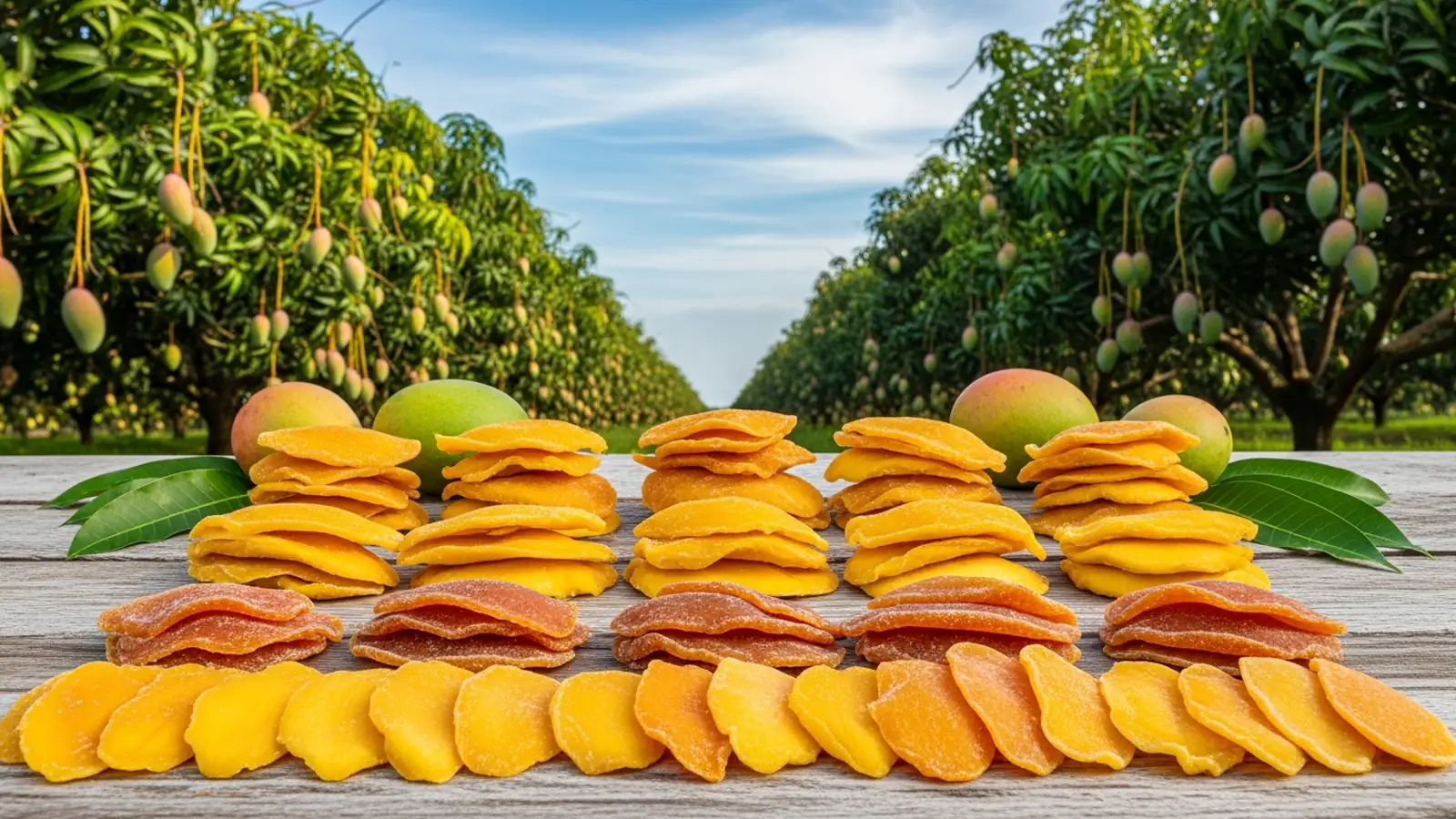
The production of premium export-grade dried mango involves several precise steps. Fully ripened mangoes are peeled, sliced, and dehydrated using methods like controlled warm-air, solar, or freeze-drying. This process reduces moisture content while preserving the fruit’s flavor and nutritional benefits. The choice of mango varieties is crucial; table varieties known for their sugar-acid balance and texture are preferred. Production lines are meticulously calibrated to maintain consistency across batches, ensuring each shipment meets the expected quality standards. This attention to detail makes Indonesian dried mango a sought-after product in international markets.
Market Dynamics and Export Opportunities
The global trade in dried mango is a sizable market, with over 1,400 exporter companies and 1,800 importer companies involved. While the Philippines leads in exports, Indonesia is a growing player in this competitive landscape. Export buyers often demand compliance with food safety standards such as HACCP, and for markets like the EU and USA, additional certifications like ISO 22000 or organic may be required. Indonesia’s capacity to meet these standards positions it as a viable option for buyers seeking quality assurance. The market’s fragmentation presents opportunities for new entrants to establish themselves by offering distinctive products or competitive pricing.
Logistics and Export Infrastructure
Export logistics in Indonesia are well-established, with major ports in Java such as Tanjung Priok and Tanjung Perak handling significant volumes. Dried mango is typically packed in 5–10 kg inner cartons or bulk bags and shipped in containerized formats. However, regions like Labuan Bajo on Flores Island lack comparable infrastructure, necessitating trans-shipment to larger ports for international export. This logistical consideration is crucial for buyers planning large-scale imports. Understanding these dynamics can aid in planning and ensuring timely delivery of products.
Regulatory Compliance and Standards
Compliance with regulatory standards is non-negotiable for Indonesian dried mango exporters. Facilities must adhere to national regulations under BPOM and SNI for food safety. For exports to the EU, shipments must comply with specific food-safety legislation, including limits on sulphites and pesticide residues. Similarly, exports to the USA require compliance with FDA regulations, including preventive controls and proper labeling. Ensuring adherence to these standards is essential for accessing and maintaining presence in these lucrative markets. Buyers can rely on Indonesian exporters to provide necessary certifications and documentation.
Pricing and Minimum Order Quantities
Export-grade dried mango from Southeast Asia generally trades in the low single-digit USD per kg at FOB origin, with variations based on quality and volume. Organic and specialty grades command higher prices. Indonesian manufacturers offer flexible OEM arrangements, with minimum order quantities around 800 kg per SKU. This flexibility allows buyers to tailor their orders based on specific market needs. Potential buyers are encouraged to confirm exact pricing and terms directly with suppliers to ensure alignment with their procurement strategies.
Seasonal Considerations and Supply Chain
The seasonal nature of mango production in Indonesia affects supply dynamics. Peak harvest occurs between August and November, with off-season fruit being scarcer and more expensive. This seasonal fluctuation impacts input costs for dried mango production. Buyers should consider these factors when planning procurement schedules. While fresh mango prices can vary widely, strategic sourcing from producing regions during peak harvest can optimize cost efficiency. Understanding these seasonal trends is key to securing a stable and cost-effective supply chain.
Quality Assurance and Certification
Quality assurance is a cornerstone of the dried mango export business. Indonesian producers engage in rigorous quality control processes to ensure that all products meet international standards. This includes regular audits and inspections, both internally and by third-party agencies, to maintain certifications such as ISO 9001, HACCP, and even BRC for some exporters. These certifications not only serve as a mark of quality but also facilitate smoother entry into foreign markets where such credentials are mandatory. Buyers can have confidence in the integrity and quality of the products sourced from certified Indonesian suppliers.
Sustainability Practices in Mango Production
In recent years, sustainability has become a critical focus in the agricultural sector, including dried mango production. Indonesian producers are increasingly adopting sustainable farming practices, such as integrated pest management and organic farming methods, to minimize environmental impact. These practices help in reducing chemical use and improving soil health, thereby ensuring long-term productivity. Additionally, efforts are being made to reduce waste by utilizing by-products such as mango peels for animal feed or compost. This commitment to sustainability not only benefits the environment but also appeals to environmentally conscious consumers and buyers worldwide.
Innovations in Product Development
The dried mango industry is witnessing innovative advancements that cater to changing consumer preferences. Producers in Indonesia are experimenting with new flavors and packaging options to enhance the appeal of dried mango products. Flavored variants, such as spicy or honey-infused dried mango, are gaining traction in international markets. In terms of packaging, resealable pouches and eco-friendly materials are being used to improve convenience and sustainability. These innovations not only add value to the product but also help Indonesian exporters differentiate themselves in a crowded market. By aligning product offerings with consumer trends, Indonesian dried mango exporters are well-positioned to capture a larger share of the global market.
For further details on our services and how we can support your dried mango procurement needs, please visit our About Us page. To discuss specific requirements, reach out through our Contact page. For in-depth insights, explore our Guides and Bulk Dried Mango from Indonesia sections.
Ready to source premium dried mango from Indonesia? Contact us today to start a conversation about how we can meet your specific needs. Visit our Contact page to send us an enquiry.